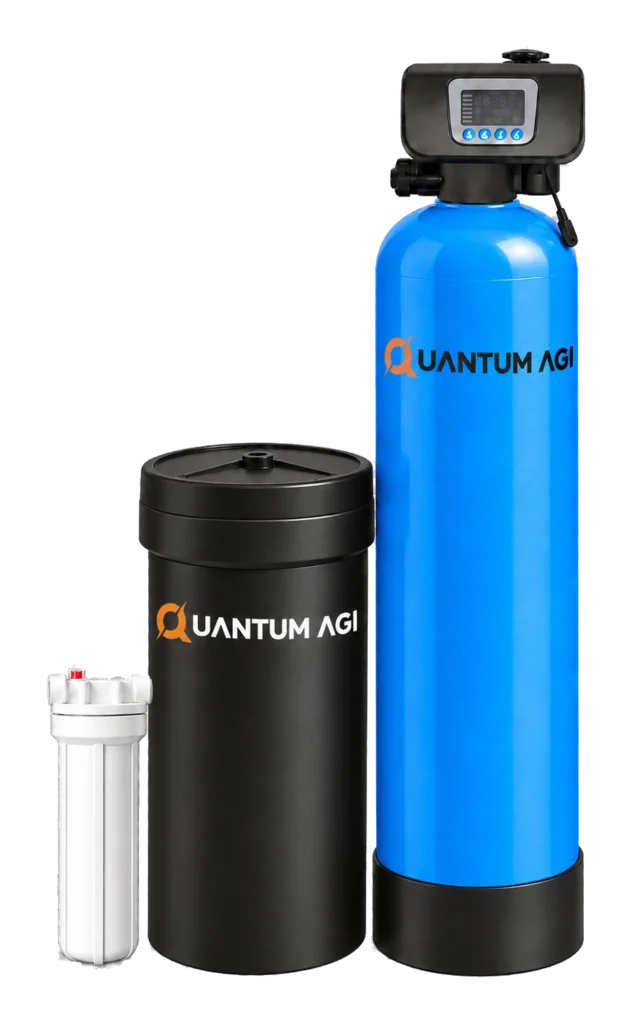
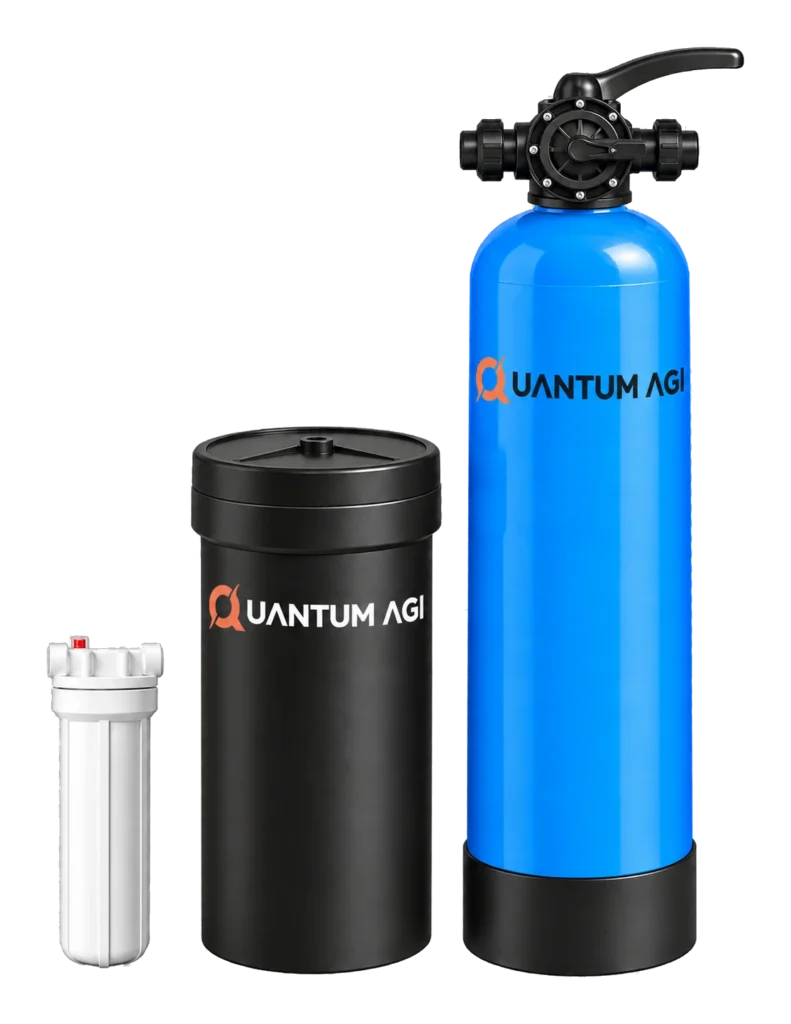
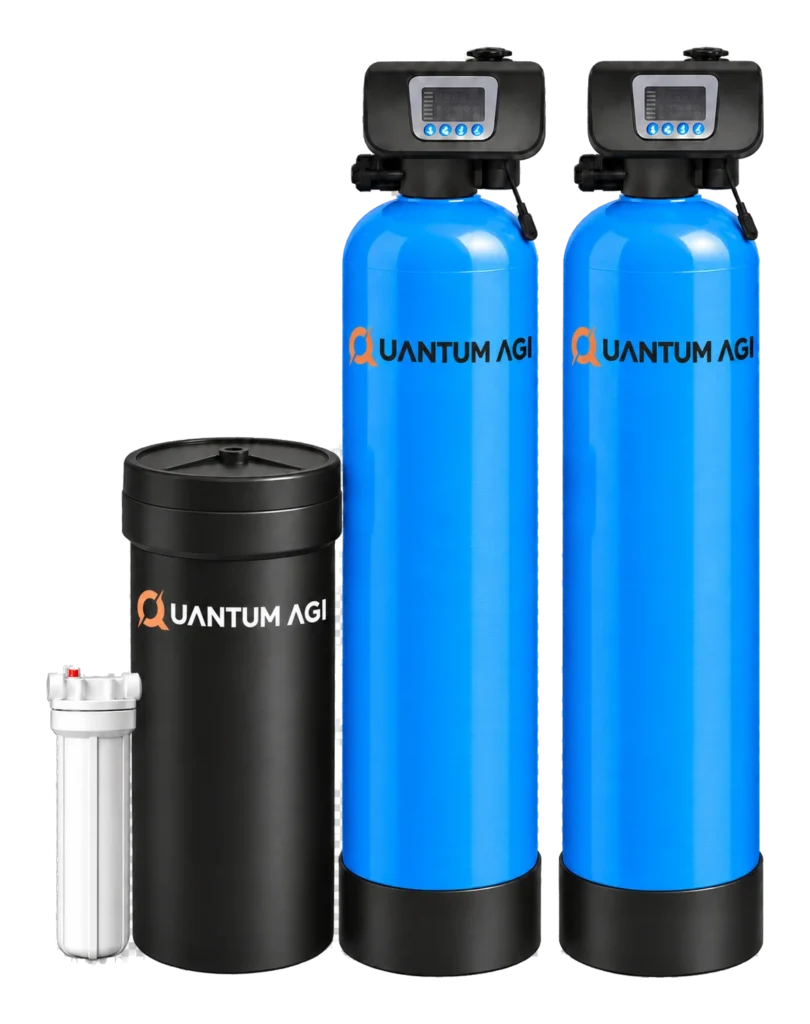
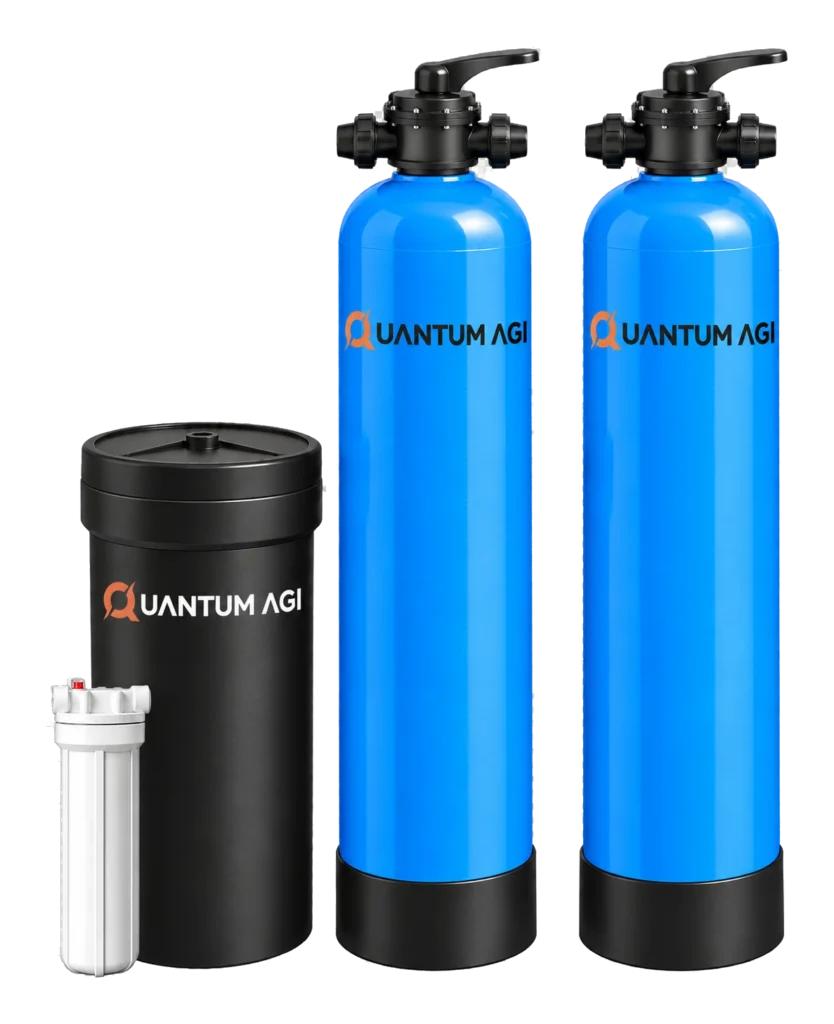
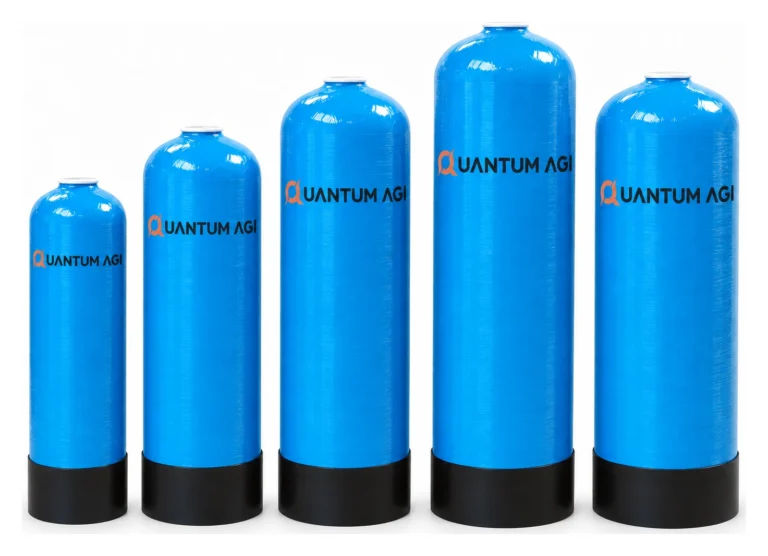
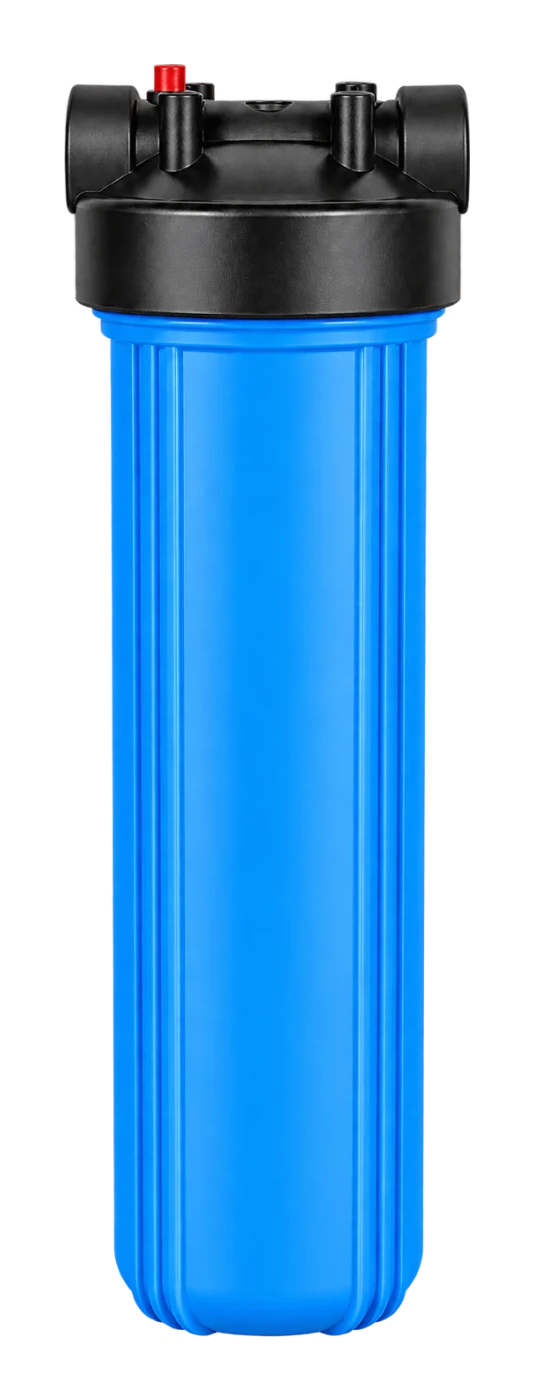
We test your water at home and send a written report. Then we install a softener sized to your home and your hardness, built on a blue Pentair vessel and serviced by our own team across Delhi NCR.
Much of the borewell and tanker water in Delhi NCR is hard. Calcium and magnesium aren’t a health risk, but they come out of solution wherever water dries, heats up or meets soap. Seven real-world cases, with the chemistry behind each.
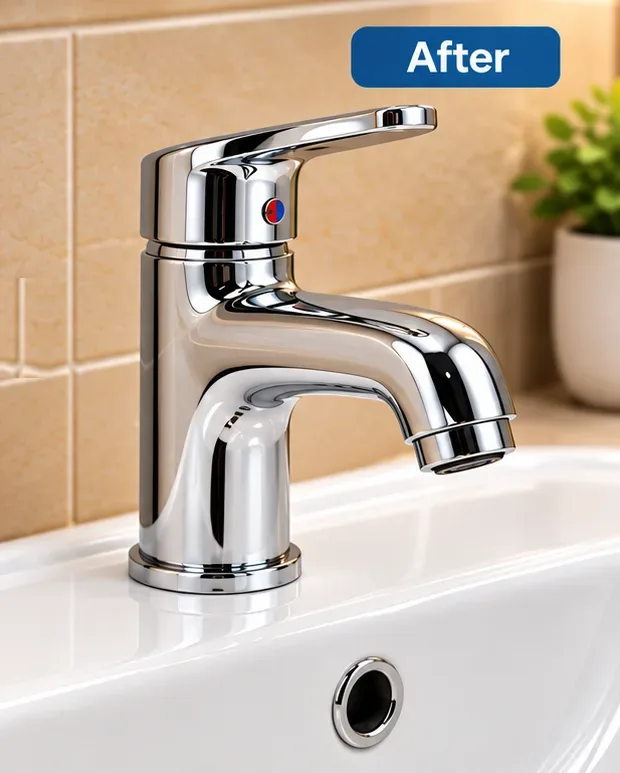
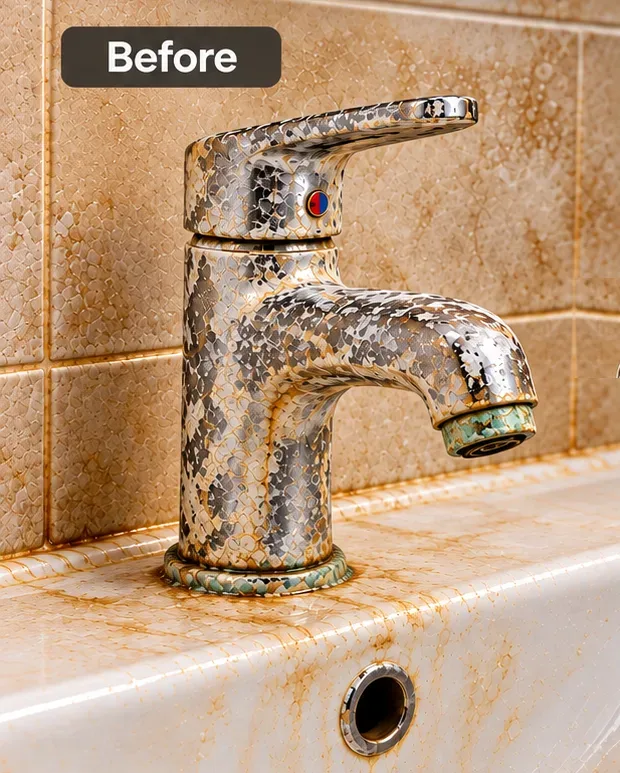
Chalky crust and rust-brown streaks on the chrome, the basin rim and the tile grout.
After softening
Chrome stays bright and the basin wipes clean with a cloth.
What’s happening
Hard water carries dissolved calcium and magnesium bicarbonates. Every drop that dries on a surface leaves them behind as insoluble calcium carbonate, which is limescale. Borewell water that also carries iron adds brown staining as the iron oxidises in air.
Ca(HCO₃)₂ → CaCO₃↓ + H₂O + CO₂↑
What softening changes
The softener swaps calcium and magnesium for sodium, whose salts stay dissolved when water evaporates. Drops dry without a crust, so nothing bakes onto the chrome.
200 mg/LIS 10500 acceptable limit for total hardness (as CaCO₃)
Protects taps, tiles & sanitaryware
Prevents limescale build-up
Keeps fittings looking new
How a softener works
An exchange you can see.
Follow the water. Watch the ions change places. Scroll through a complete softening and regeneration cycle.
Service · downflowVessel cutaway
Water travels down through the resin, then up the centre tube.Illustration: ion sizes, colours and timing are not to scale.
Ca²⁺ Calcium
Mg²⁺ Magnesium
Na⁺ Sodium
Cl⁻ Chloride
01 Feed
Hard water enters the resin bed.
Dissolved calcium and magnesium arrive as positively charged ions. In this downflow system, water travels down through the bed, then up the centre tube.
Ca²⁺ + Mg²⁺ in the incoming water
Service flow · down through the bed
02 Exchange
One hardness ion. Two sodium ions.
The resin’s fixed negative sites bind Ca²⁺ or Mg²⁺. Each divalent ion replaces two Na⁺ ions, which enter the water. The resin stays inside the vessel.
2 R–Na + Ca²⁺ ⇌ R₂–Ca + 2 Na⁺
Same exchange for Mg²⁺ · charge is conserved
03 Backwash
The bed lifts. The resin stays.
Before brining in this example, water flows down the centre tube and up through the bed. It loosens the beads and carries debris to the drain. Backwash alone does not restore exchange capacity.
Water ↑ through the resin · debris → drain
Regeneration · no softened-water delivery shown
04 Brine
Salt brine restores the sodium sites.
Concentrated sodium chloride solution is drawn from the salt tank. The high sodium concentration reverses the exchange: hardness ions leave the resin and flow to the drain.
R₂–Ca + 2 Na⁺ ⇌ 2 R–Na + Ca²⁺
Na⁺ recharges the sites · Cl⁻ stays in solution
05 Rinse
Rinse the bed before reuse.
Brine draw stops. Slow rinse, then fast rinse, move water down through the bed and up the centre tube to the drain, carrying out displaced hardness and excess brine.
Residual brine + displaced hardness → drain
The drain path stays open through rinsing
06 Ready
Refill. Return to softening.
The valve refills the salt tank for the next regeneration, then returns to service. Softened water goes back to the home after the regeneration sequence is complete.
Refill → service · hardness is reduced
Softening does not disinfect water or remove all dissolved salts
At the resin sitesSodium form
One Ca²⁺ balances two negative sites. Mg²⁺ behaves the same way.
Shown: a sodium-cycle softener with downflow service and downflow brining. Cycle order, direction and timing depend on the control valve. During regeneration, a single vessel cannot supply softened water; some installations supply untreated water through a bypass.
The science behind the animation
R represents a fixed, negatively charged resin site. The salt dissolves as Na⁺ and Cl⁻; chloride is not captured by the cation-exchange sites. Colour changes show site occupancy, not the resin’s actual colour.
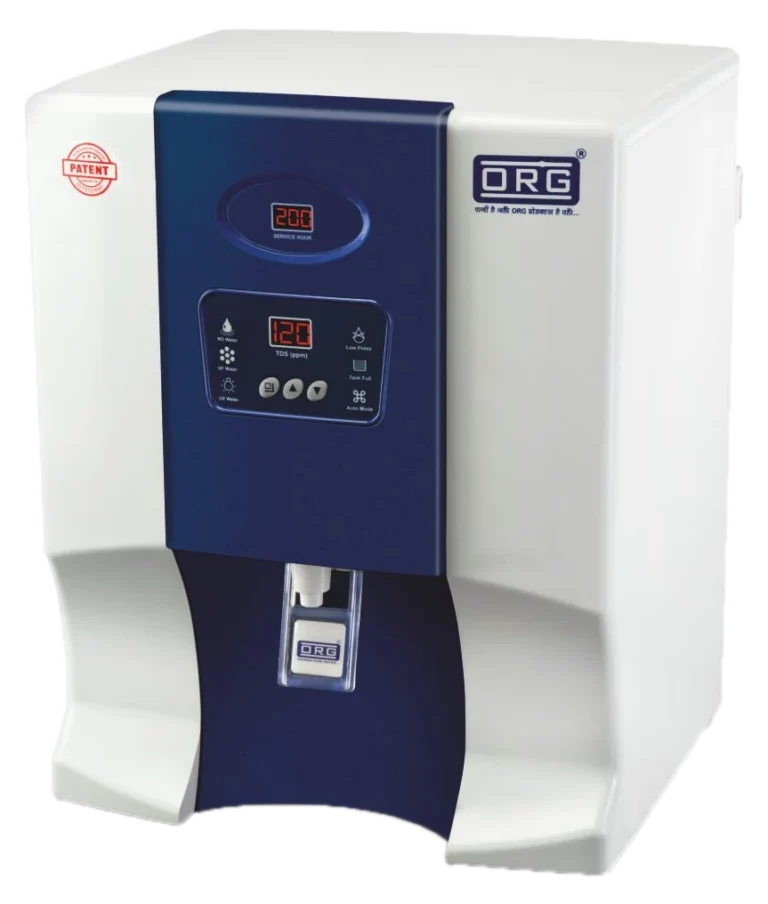
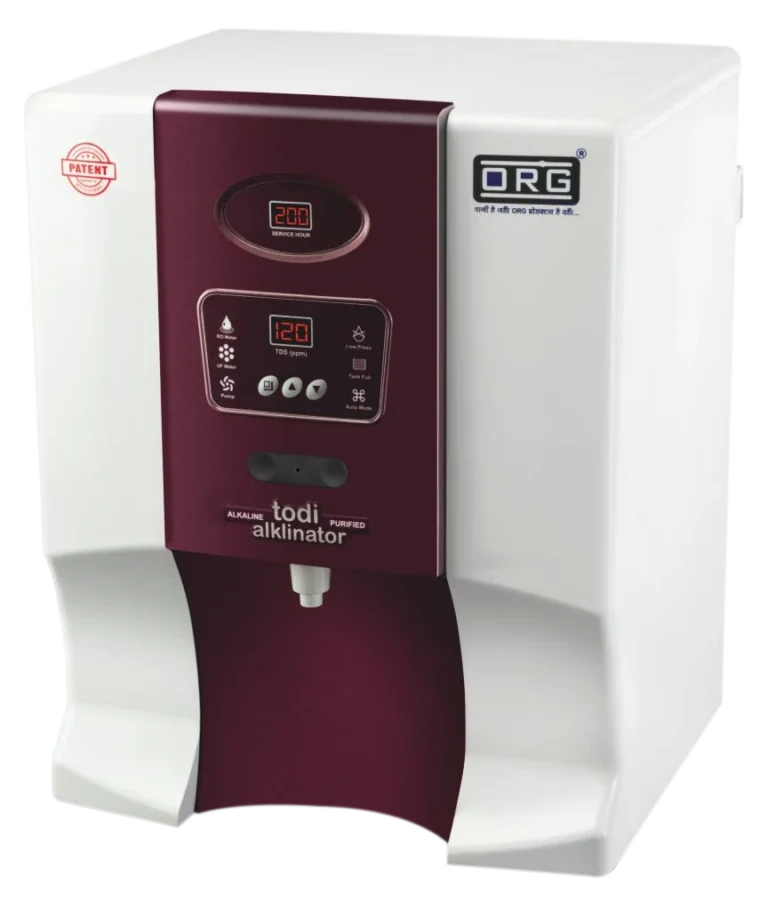
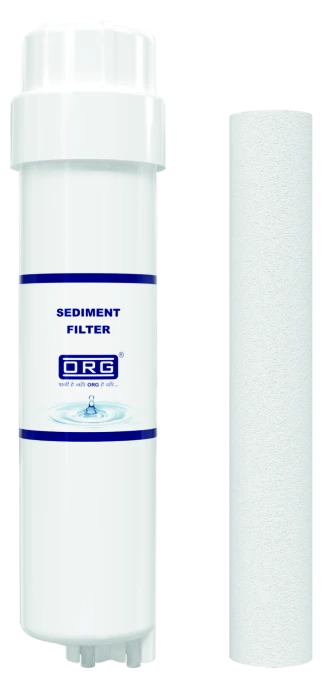
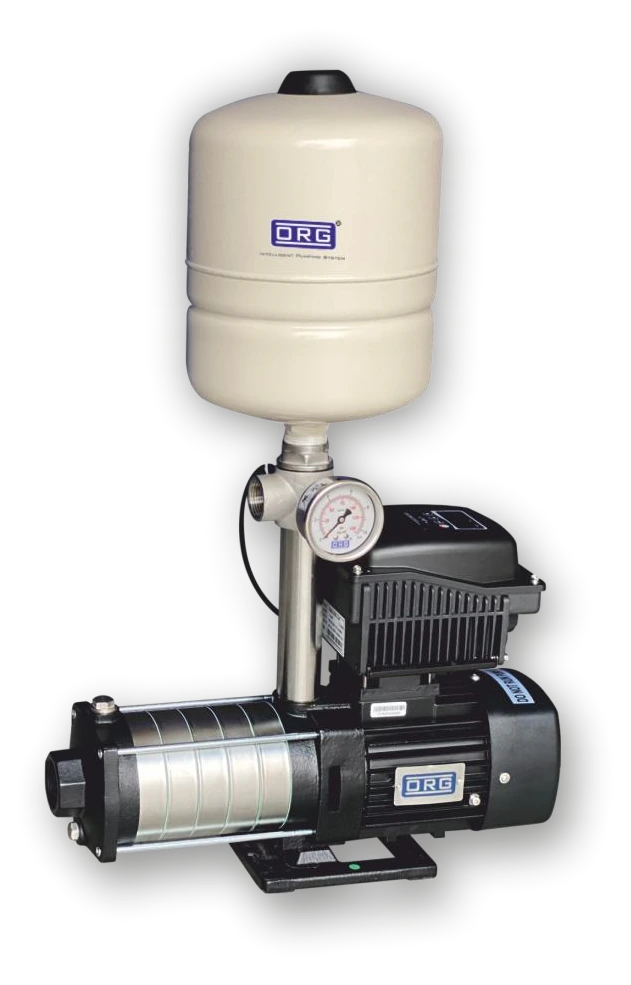
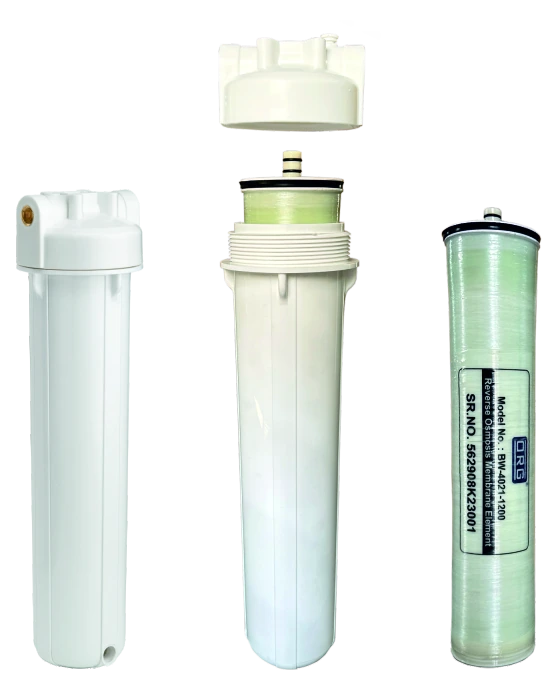
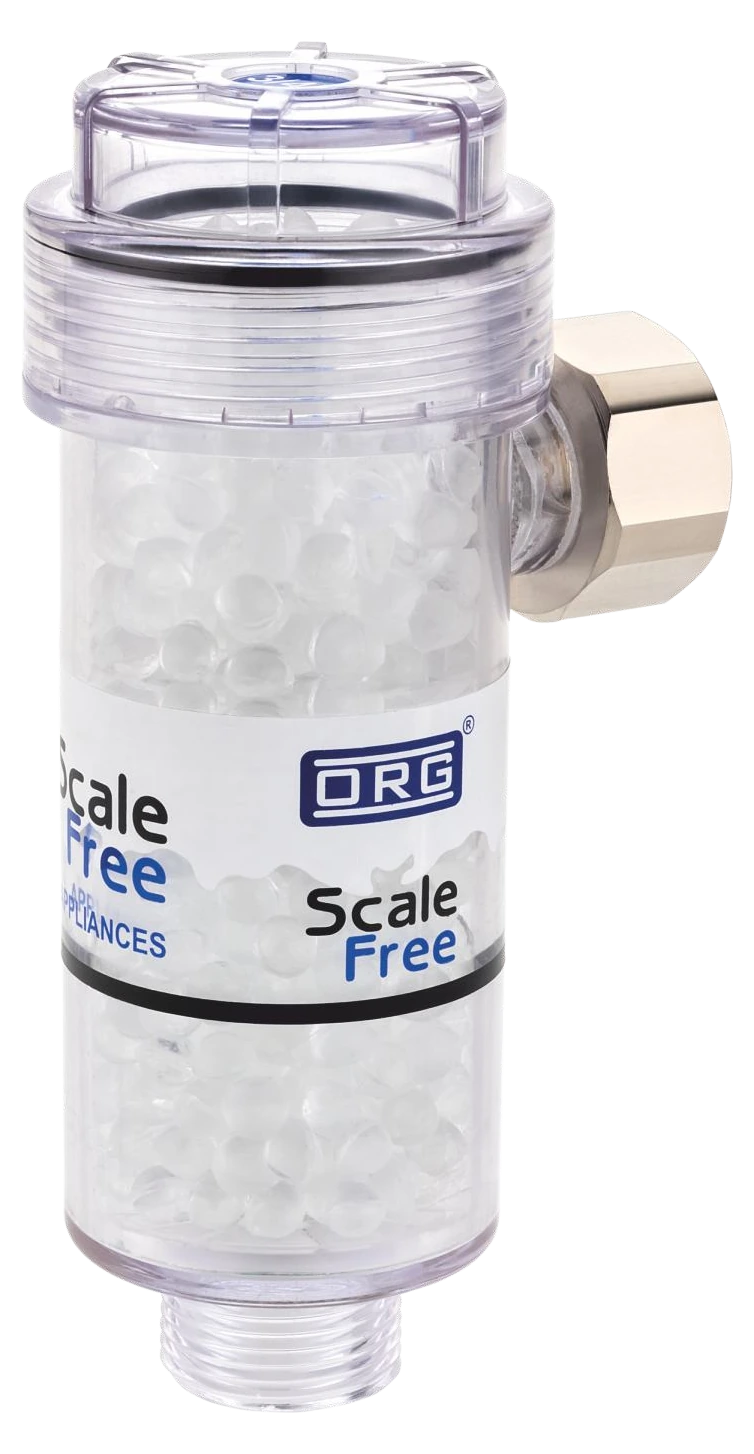
We supply and fit ORG products for drinking water, RO servicing, water pressure and scale protection, at published prices, and service them alongside your softener.
Pick a day and time slot online, on WhatsApp or by phone.
02
We visit
Our technician checks your water source and collects a sample.
03
Report in 2-3 days
A written report on your water hardness and TDS.
04
Written quotation
The right configuration and capacity for your site, with the full bill of materials in writing.
05
Installation
Fitted at your main line or overhead tank by our own team.
06
AMC care
Scheduled visits, checks and cleaning to keep it working.
Installation, done properly
We fit the softener at your main inlet or near the overhead tank, add a bypass so you are never without water, set the regeneration programme for your hardness, and show you how to top up the salt.
Schematic map, not to scale. We also cover areas in between.
Why people choose us
Straight answers before any sale
Test first, sell second
We only recommend a model after your water report. If you don't need a softener, we'll say so.
Named, traceable components
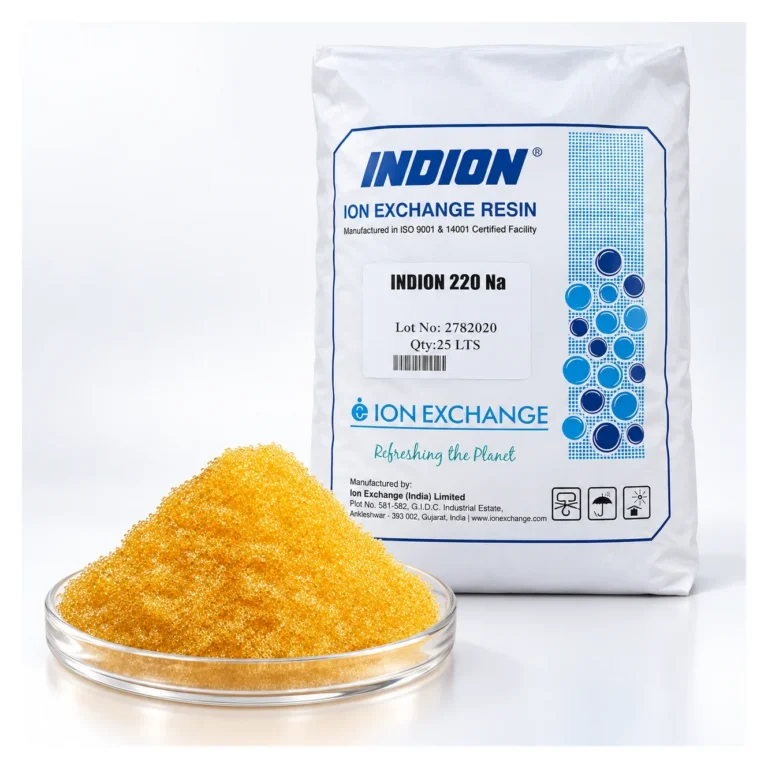
Pentair FRP vessels, Runxin control valves through ORG, INDION resin. Every part on our quotation has a make and a model number.
Specs from the data sheet
The figures on this website come from the manufacturers’ data sheets, and the output ratings state the basis they are calculated on.
A registered business
Quantum AGI is GST-registered. Every installation comes with a proper GST invoice.
Feedback showcase
A place for your experience.
Home softening
“The consultation started with our water source and daily usage. The proposed softener size, resin and regeneration plan were explained clearly, so we understood what we were choosing.”
Drinking-water purifier
“We wanted advice on our kitchen purifier as well as the main water line. It helped to have both explained together, with a clear filter-replacement plan and no pressure to decide immediately.”
Sediment filtration
“Our tanker supply needed a practical sediment-filter arrangement. The team explained cartridge selection and access for cleaning before recommending the installation position.”
Free consultation
“The advice was easy to follow. We received a parts-wise quotation and could compare the automatic and manual options against our needs and budget.”
Installation & handover
“The handover covered the bypass, salt top-up and routine checks. Those small explanations made us much more comfortable looking after the system between service visits.”
Ongoing maintenance
“The maintenance discussion included the valve settings, resin care and brine tank. We knew which routine work was included and which replacement parts would be quoted separately.”
Manual softener
“A manual system suited our preference. The operating steps were demonstrated patiently, including regeneration and the rinse stages, rather than leaving us with only a product brochure.”
Automatic softener
“Our usage and measured hardness were considered when discussing the automatic valve settings. The team explained why regeneration frequency depends on the water we actually use.”
Water assessment
“We appreciated the distinction between soft water for the house and purified water for drinking. It made the recommended combination much easier to understand.”
Pre-filter selection
“The recommendation included a pre-filter because of our supply conditions. Its purpose, cartridge care and effect on maintenance were explained before we agreed on a configuration.”
Commissioning
“The installation plan included checking joints, running a cycle and comparing inlet and outlet hardness. We liked having a clear commissioning checklist instead of a quick equipment drop-off.”
Purifier consultation
“We discussed our family’s drinking-water use, existing purifier and service needs. The advice focused on a suitable configuration and regular care, with no blanket claims about every water source.”
System sizing
“The number of bathrooms alone was not used to choose a system. Our consumption, pressure and simultaneous water use were also discussed, which made the sizing feel considered.”
Plumbing & drainage
“Space for the vessel, brine tank and drain was checked in advance. The proposed pipework kept the bypass and service points accessible, which mattered in our compact utility area.”
Purifier & softener care
“It was useful to discuss the whole-home softener and kitchen purifier with one team. We received separate maintenance guidance for each, including the consumables to keep an eye on.”
Family handover
“The team showed our family how to check the salt level and when to ask for service. The instructions were practical, and the written quotation made the costs straightforward.”
Main-line installation
“We wanted a tidy installation at the main inlet. Isolation valves, the bypass and access for future servicing were part of the conversation from the beginning.”
Flow assessment
“Our peak water use was discussed alongside hardness and daily consumption. The recommendation explained service flow and resin capacity separately, which helped us compare the options properly.”
Transparent quotation
“The consultation gave us a sensible starting point. We could see the named components, installation work and maintenance options in writing before making a decision.”
Service support
“We wanted clear support after installation. The discussion covered routine checks, salt use and when a change in the water source should trigger another assessment.”
01–02 / 20
Questions
What people ask us most
Can't find your answer? Ask us on WhatsApp or during your free visit.
Will soft water taste salty?
No. A softener swaps hardness minerals for a small amount of sodium, not salt, and most people notice no taste difference. For drinking water, keep an RO purifier after the softener.
Is a softener the same as an RO purifier?
No. A softener treats all the water in your home for bathing, washing and appliances. An RO purifier treats a small amount for drinking. Many homes need both.
What does the free water test include?
A technician visits, checks your water source and collects a sample. You get a written report in 2-3 days covering hardness and TDS, with our recommendation.
Does it need electricity?
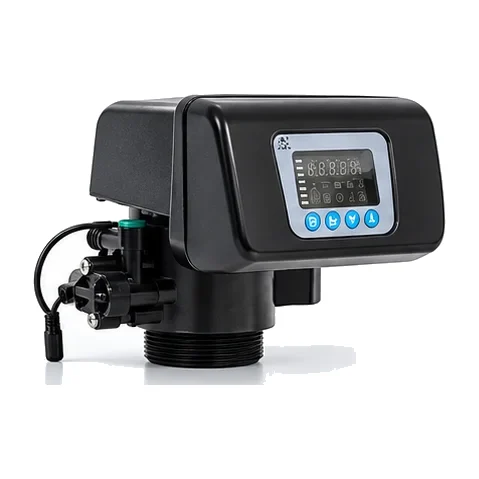
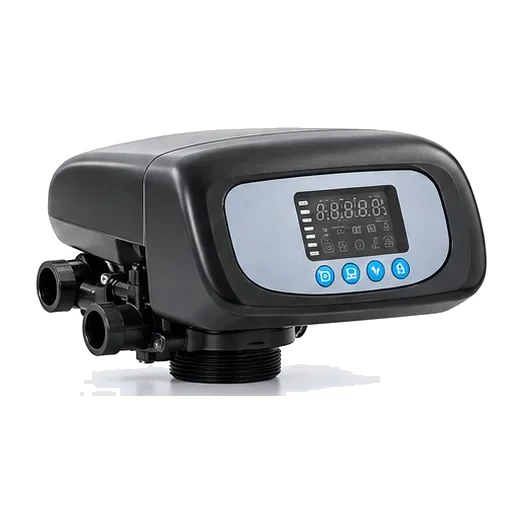
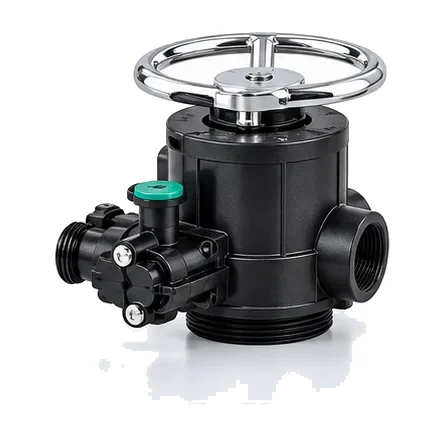
Automatic systems use a small low-voltage adapter to run the Runxin control valve. Our manual systems are turned by hand at the valve and need no electricity at all.
Where is it installed?
Usually at the main inlet or near the overhead tank so every tap gets soft water. We check the space and plumbing during your free visit.
How much salt does it use?
It depends on your hardness and how much water you use. Each model lists its salt per regeneration, and after your water test we tell you roughly how often you will need to top up.
What does AMC cover?
All standard service activities, including scheduled visits, valve and programme checks, resin and brine-tank cleaning, and a hardness check at every visit. Ask us for the full checklist and yearly price.
Which brands do you use?
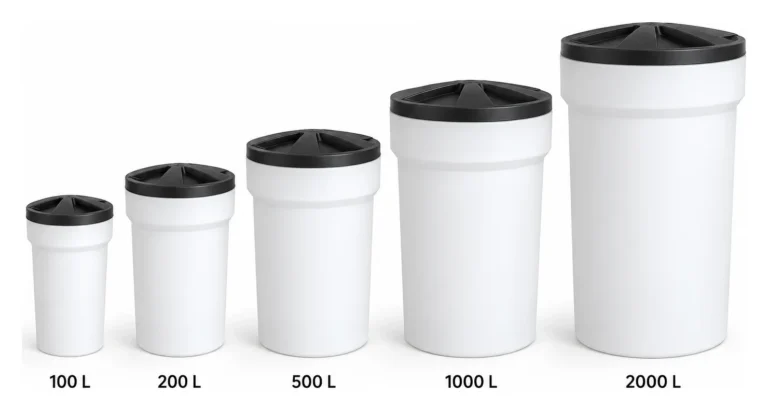
Pentair structural FRP vessels, Runxin multiport valves supplied by ORG Engitech, and INDION ion-exchange resin from Ion Exchange (India). For drinking water, RO parts, pressure pumps and anti-scale we supply and service ORG products. Our own range also includes the vessels, brine tanks and softener salt.
What do 2, 4 and 6 m³/hr mean?
The service flow the system is rated for: 2,000, 4,000 or 6,000 litres an hour. Most homes are well served at 2 m³/hr; hotels, hostels and commercial sites need more. Your water test and site visit settle it.